EXPERT SESSION
Warehouse Equipment – The Market After Adaptation: The New Reality of 2026 Through the Eyes of Suppliers and Customers
16.09.2026
12:15-13:45
Grand Arena, Hall 3
Description
The warehouse equipment market has moved past the phase of emergency supply chain restructuring. In 2026, customers are evaluating more than just price and availability; they are considering financing costs, service accessibility, lifecycle costs, downtime risks, residual value, and the supplier's capacity for long-term equipment support.
During this session, suppliers, a Russian manufacturer, and a customer will discuss approaches to fleet renewal for 2026–2027. Topics will include choosing an ownership model, determining when a switch to lithium-ion batteries is justified, comparing Russian and Chinese equipment, identifying which operations to automate first, and implementing measures to reduce accident rates.
The session is designed for suppliers and manufacturers of materials handling and warehouse equipment, spare parts, and components, as well as rental companies; it also targets logistics, supply, and procurement directors from wholesale and retail companies, marketplaces, and manufacturing and industrial enterprises.
Key discussion topics:
1. Market and economics of fleet renewal
- What are the primary factors hindering fleet renewal in 2026?
- What criteria do customers use to choose between Russian and Chinese equipment?
- How do Russian manufacturers compete with Chinese brands and localized production facilities?
- What drives the price difference between Russian and Chinese equipment?
- Which ownership model offers the best value under different operating conditions?
2. Fleet, energy, and cost of ownership
- Under what conditions can customers fully transition to electric-powered equipment?
- How is demand for electric equipment changing, and how does the fuel crisis impact its adoption?
3. Service
- What constitutes the baseline level of service and spare parts availability for major customers?
- When is it more cost-effective to repair equipment versus replacing it?
4. Safety and automation
- What measures help reduce accident rates, and how can their effectiveness be measured? - What should be the priority for automation: machinery or processes?
Speakers:
Eduard Kiyko, Board Member, NADDiPS Association – Moderator
Alexander Dmitriev, CEO, ChZSA
Alsu Vasilyeva, Head of Lifting and Handling Equipment Sales, ISTK
Anastasia Demina, Director of E-commerce and Marketing
Ilya Berezutsky, Head of Business Development, Avito Special Equipment
Viktor Bunetskul, Vice President, Avrora Group
Elena Mungalova, Head of Logistics, Ehrmann
During this session, suppliers, a Russian manufacturer, and a customer will discuss approaches to fleet renewal for 2026–2027. Topics will include choosing an ownership model, determining when a switch to lithium-ion batteries is justified, comparing Russian and Chinese equipment, identifying which operations to automate first, and implementing measures to reduce accident rates.
The session is designed for suppliers and manufacturers of materials handling and warehouse equipment, spare parts, and components, as well as rental companies; it also targets logistics, supply, and procurement directors from wholesale and retail companies, marketplaces, and manufacturing and industrial enterprises.
Key discussion topics:
1. Market and economics of fleet renewal
- What are the primary factors hindering fleet renewal in 2026?
- What criteria do customers use to choose between Russian and Chinese equipment?
- How do Russian manufacturers compete with Chinese brands and localized production facilities?
- What drives the price difference between Russian and Chinese equipment?
- Which ownership model offers the best value under different operating conditions?
2. Fleet, energy, and cost of ownership
- Under what conditions can customers fully transition to electric-powered equipment?
- How is demand for electric equipment changing, and how does the fuel crisis impact its adoption?
3. Service
- What constitutes the baseline level of service and spare parts availability for major customers?
- When is it more cost-effective to repair equipment versus replacing it?
4. Safety and automation
- What measures help reduce accident rates, and how can their effectiveness be measured? - What should be the priority for automation: machinery or processes?
Speakers:
Eduard Kiyko, Board Member, NADDiPS Association – Moderator
Alexander Dmitriev, CEO, ChZSA
Alsu Vasilyeva, Head of Lifting and Handling Equipment Sales, ISTK
Anastasia Demina, Director of E-commerce and Marketing
Ilya Berezutsky, Head of Business Development, Avito Special Equipment
Viktor Bunetskul, Vice President, Avrora Group
Elena Mungalova, Head of Logistics, Ehrmann
Attention
All event program sessions are open to visitors holding an e-ticket to the exhibition. Get a ticket
PARTNERS

SPEAKERS

Moderator
Eduard Kiiko
Member of the Board, Association of NADDiPS
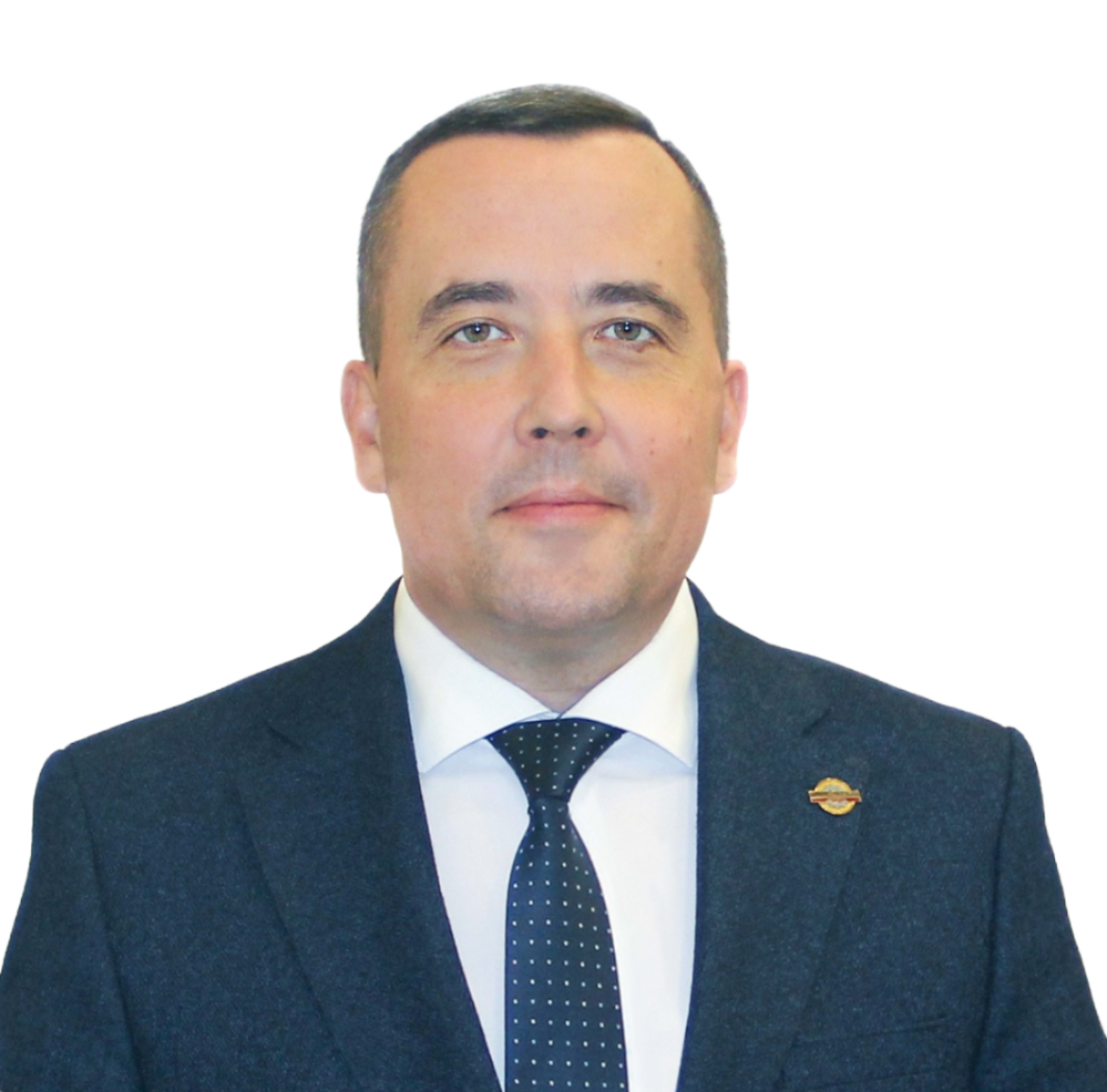
Alexander Dmitriev
General Director, ChZSA
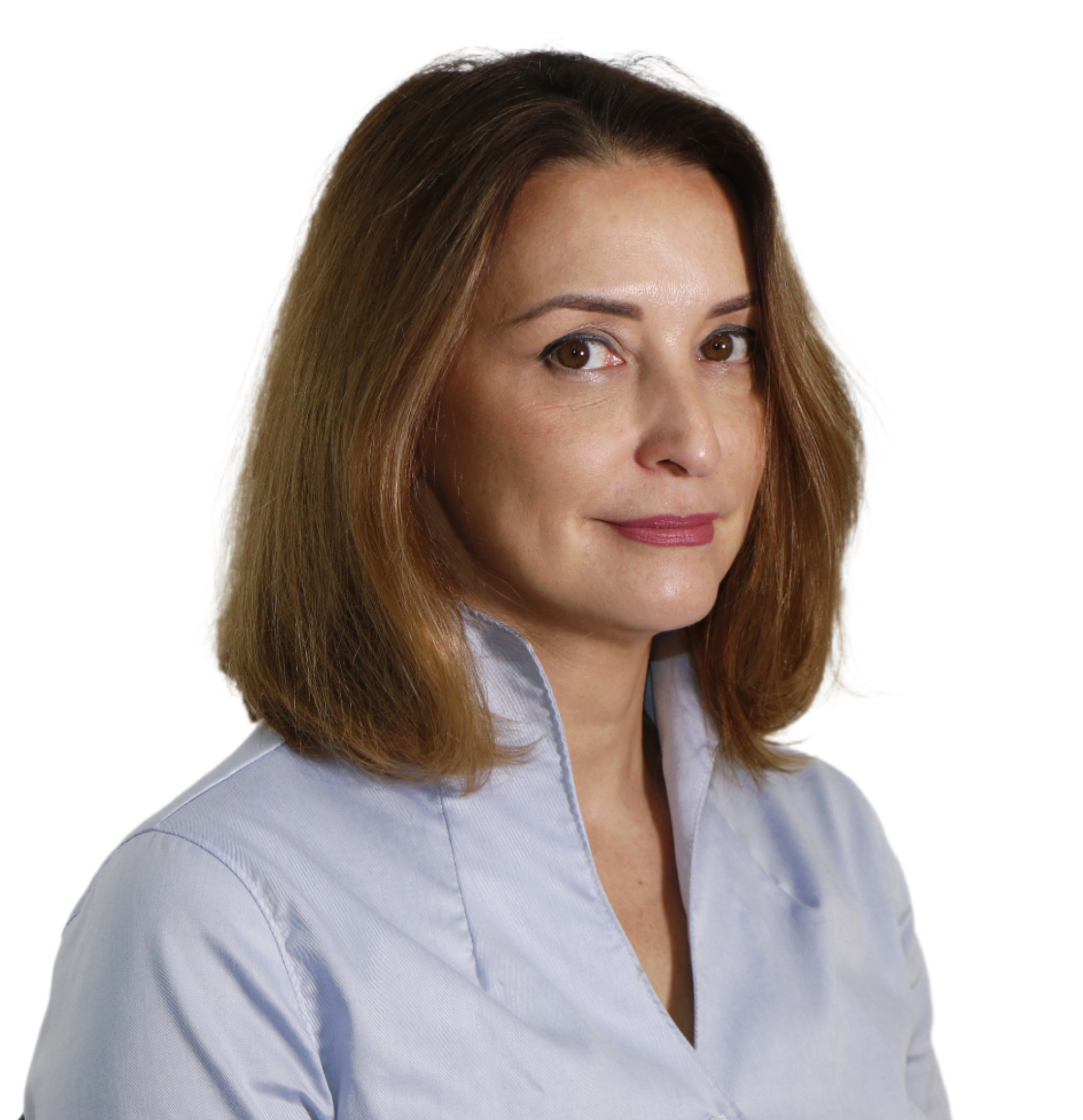
Alsu Vasilyeva
Head of the Sales Department for Material Handling Equipment, ISTK
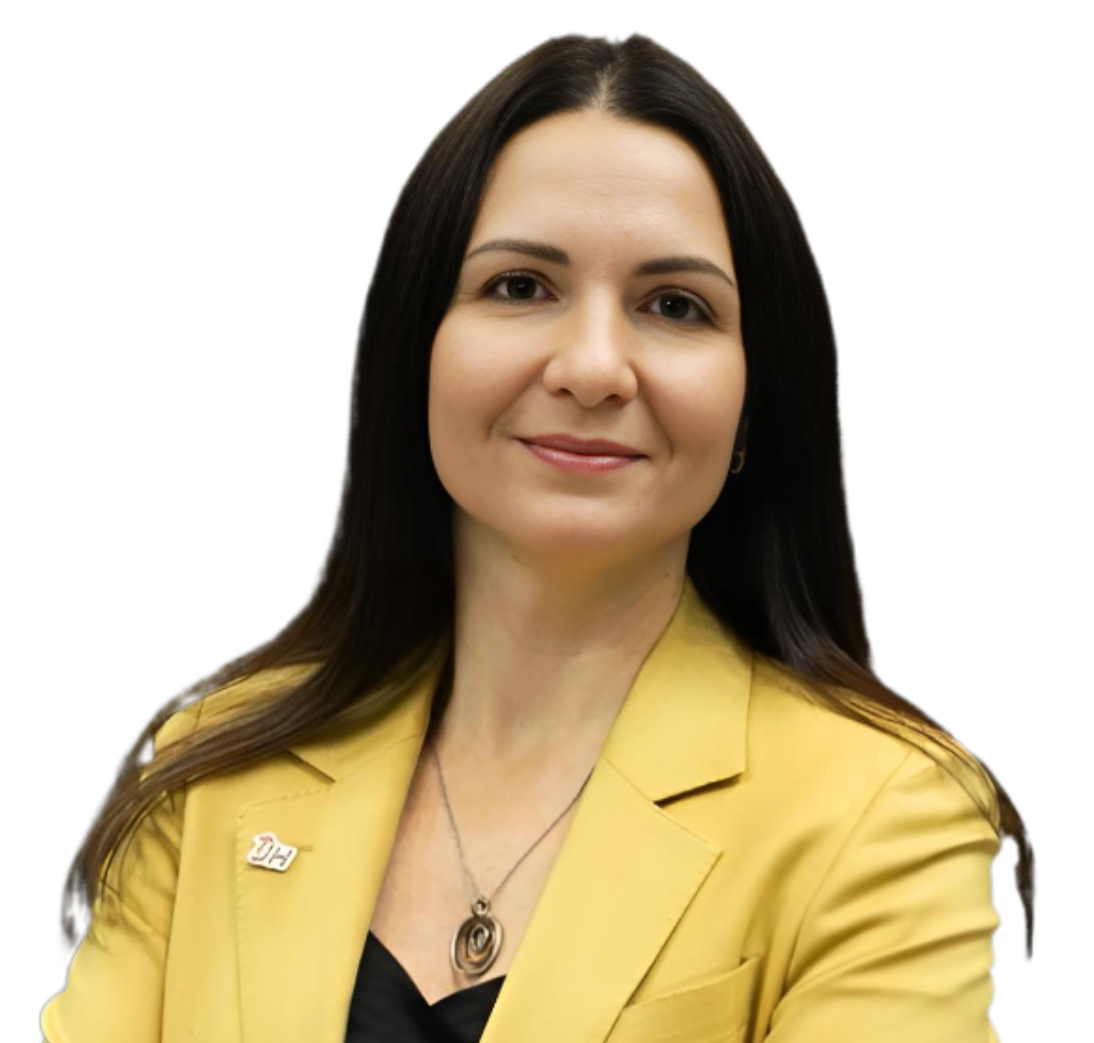
Anastasia Demina
Director of the Department of E-Commerce and Marketing

Victor Buneckul
Vice President, Aurora Group

Elena Mungalova
Head of the Logistics Department, Ehrmann
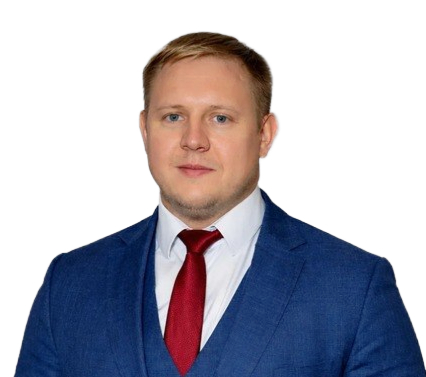
Ilya Berezutsky
Head of Business Development, Avito Special Equipment
TOPIC
Processes
EVENT TYPE
Expert session
VENUE
Grand Arena, Hall 3
INTERESTS
Batteries & warehouse equipment
Logistics
